Quick Answer: Lease vs Rent
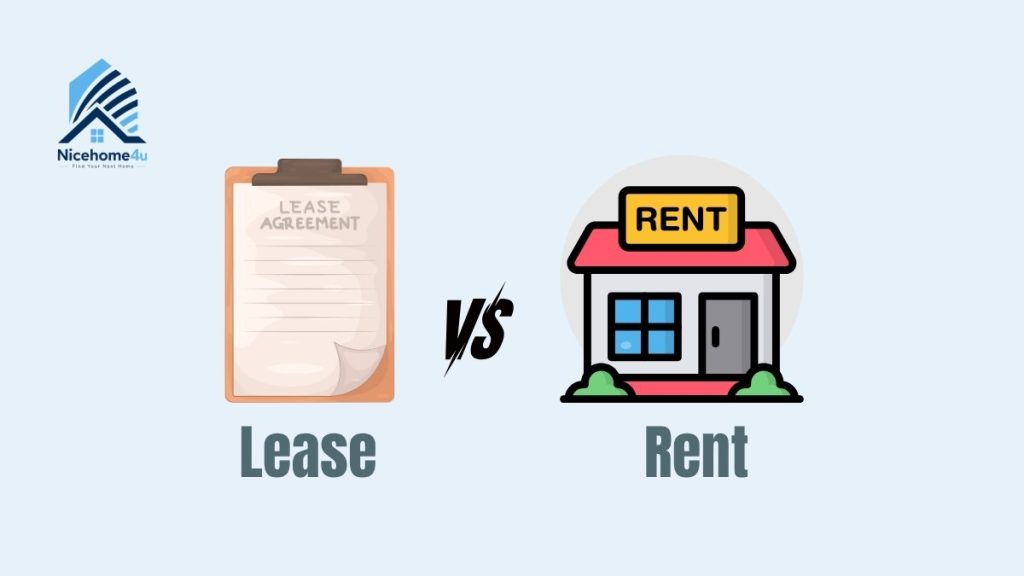
A lease is a fixed-term rental agreement (usually 6–12 months) where rent and terms are locked in for the entire period.
A rent (month-to-month agreement) is a flexible arrangement where you can usually stay or leave with short notice, but rent and terms may change more easily.
In simple terms:
- Lease = stability and fixed terms
- Rent = flexibility and easier exit
This difference affects your cost, flexibility, and control over your living situation.
What Is a Lease?
A lease agreement is a legally binding contract between a tenant and landlord for a fixed period of time, commonly 6 or 12 months.
Key features of a lease:
- Fixed duration (6–12+ months)
- Rent is locked during the term
- Early termination may include penalties
- Clear rules and conditions set upfront
Tenant perspective:
A lease works best when you want stability and predictable housing costs without frequent changes.
What Is Renting (Month-to-Month Agreement)?
A rental agreement (often called month-to-month renting) is a flexible arrangement where the tenant continues paying rent without a long fixed commitment.
Key features of renting:
- No long-term commitment
- Can usually end with 30 days’ notice
- Rent can change with notice (depending on rules)
- More flexibility but less predictability
Tenant perspective:
Renting works best when your living situation is uncertain or temporary.
Lease vs Rent: Key Differences Explained
1. Commitment Level
- Lease: High commitment (fixed contract)
- Rent: Low commitment (flexible arrangement)
Key takeaway: Leases lock you in; renting keeps your options open.
2. Flexibility to Move
- Lease: Moving early may include penalties
- Rent: Easier to move with short notice
Key takeaway: Renting gives you freedom to relocate anytime.
3. Cost Stability
- Lease: Fixed rent for full term
- Rent: Rent can change with notice
Key takeaway: Leases protect you from sudden rent increases.
4. Financial Planning
- Lease: Easier budgeting due to fixed costs
- Rent: Less predictable monthly expenses
5. Risk and Responsibility
- Lease: Higher penalty risk if broken early
- Rent: Lower risk if you need to leave
Lease vs Rent Comparison Table
| Factor | Lease | Rent (Month-to-Month) |
| Duration | Fixed (6–12+ months) | Flexible |
| Flexibility | Low | High |
| Rent Stability | Fixed | Can change |
| Exit Process | Penalties may apply | Usually 30-day notice |
| Budgeting | Predictable | Less predictable |
When a Lease Makes More Sense
A lease is usually better if:
- You plan to stay long-term
- You want stable monthly expenses
- You prefer predictable housing conditions
- You are confident about the location
Tenant insight:
A lease is ideal when you already feel settled in a city or neighborhood and want long-term stability.
When Renting Makes More Sense
Renting is usually better if:
- You are new to a city
- Your job or studies may change soon
- You want flexibility to move easily
- You are testing a neighborhood before committing
Tenant insight:
Renting works like a “trial period” for your living situation.
Hidden Differences Tenants Often Miss
1. Rent increases
- Lease: Usually only at renewal
- Rent: Can change with notice
2. Breaking the agreement
- Lease: May involve penalties or deposit loss
- Rent: Usually easier exit process
3. Negotiation timing
- Lease: Negotiated before signing
- Rent: Can sometimes adjust over time
4. Stability vs flexibility trade-off
- Lease = stability
- Rent = adaptability
Simple Decision Guide (Tenant Framework)
Ask yourself:
1. How long will I stay?
- Long-term → Lease
- Short/uncertain → Rent
2. What matters more?
- Stability → Lease
- Flexibility → Rent
3. Can I handle sudden changes?
- No → Lease
- Yes → Rent
4. Is this a long-term home or temporary stay?
- Home → Lease
- Temporary → Rent
Common Tenant Mistakes
1. Choosing only based on rent price
Cheaper monthly rent doesn’t always mean better value.
2. Ignoring exit terms
Many tenants overlook penalties and notice periods.
3. Overcommitting too early
Long leases in unfamiliar areas can become restrictive.
4. Not considering lifestyle changes
Life changes faster than most contracts.
Lease vs Rent: Summary
- Lease = long-term stability, fixed rent, less flexibility
- Rent = short-term flexibility, variable terms, easier exit
Neither is better in general, the right choice depends on your lifestyle, financial comfort, and future plans.
Final Thought
Choosing between lease and rent isn’t just a housing decision, it’s a lifestyle decision.
A lease gives you stability and structure, while renting gives you flexibility and freedom. The right choice depends entirely on how certain you are about your future plans.