Your lease is about to end, and you’re not sure what comes next. Should you renew the lease, negotiate new terms, extend the agreement, or end the tenancy? If you’ve asked yourself any of these questions, you’re already thinking about lease renewal the right way.
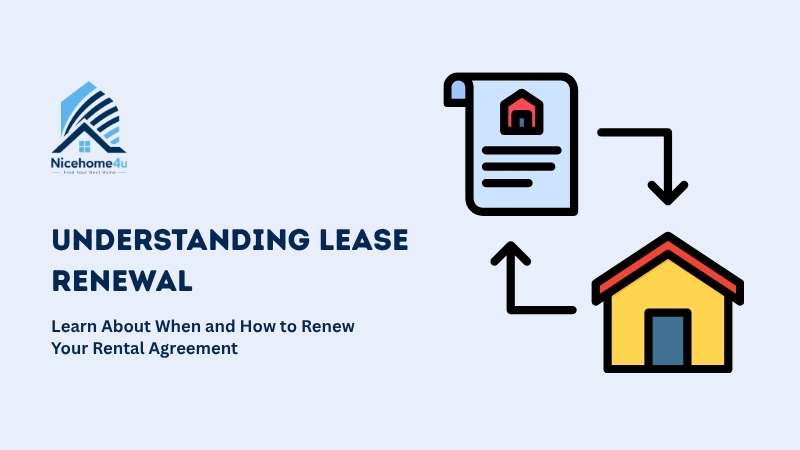
A lease renewal is simply the process of extending your rental agreement with your landlord once the original term is up, usually with updated terms like a new rent amount or lease length. Whether you’re renting your first apartment or managing multiple rental properties, Nicehome4u provides helpful resources to make every stage of the rental journey easier, and a lease doesn’t last forever. As the expiration date approaches, both landlords and tenants need to decide what comes next.
If you’re renting or managing a property in Oklahoma City, understanding the lease renewal process is especially important. Local rental markets can change over time, and renewing your lease early helps both landlords and tenants plan ahead while avoiding unnecessary vacancies or last-minute housing decisions. If you handled the lease well, it’s a quick formality, and if you handled it late, then it can turn into a scramble for both you and your landlord.
In this guide, you’ll learn what a lease renewal is, when it makes sense to renew, how the process works, and what to include in a lease renewal agreement. We’ll also explain the difference between renewing and extending a lease, discuss common negotiation points, and share practical tips to help both landlords and tenants navigate the process with confidence.
What Is a Lease Renewal?
A lease renewal is a new, legally binding agreement and the process of continuing an existing rental relationship by signing a new agreement or renewing the current lease before it expires. Instead of moving out, you and your landlord agree to continue the rental relationship or negotiate an entirely new tenancy.
In many cases, the renewed lease includes the same core conditions, such as:
- Monthly rent
- Lease duration
- Security deposit terms
- Property rules
- Maintenance responsibilities
- Occupancy limits
However, either party may also agree to make changes before signing the lease renewal agreement. For example, the landlord might adjust the monthly rent to reflect market conditions, while the tenant may request permission for a pet or ask to renew for a different lease term.
Renewals matter because most leases don’t automatically continue once the fixed term ends. Without a renewal, your right to occupy the unit technically expires along with the lease. Renewing a lease benefits both parties by providing certainty and reducing the time and costs associated with finding new tenants or searching for another rental home.
For renters and property owners throughout Oklahoma City, lease renewals are often an opportunity to maintain a successful rental relationship while adjusting lease terms to reflect current market conditions and both parties’ needs.
Quick Tip: A lease renewal should always be documented in writing to ensure both parties clearly understand the updated terms and responsibilities.
How Does Renewing a Lease Work?
In practice, renewing a lease works like this: as your lease end date approaches, your landlord (or you) raises the topic of continuing the tenancy. You discuss any changes to rent or terms, agree on a new lease length, and sign a renewal document. Many property management companies in Oklahoma City recommend starting renewal conversations 60 to 90 days before the lease expires so there’s enough time to review updated terms, complete paperwork, and avoid unnecessary vacancy periods.
Typically, the lease renewal process begins several weeks before the current lease expires. The landlord reviews the tenancy and sends a lease renewal offer to the tenant.
The tenant then reviews the proposed terms and has several options:
- Accept the renewal.
- Negotiate changes.
- Decline the renewal.
- Allow the lease to expire if permitted by the agreement or local law.
Once both parties sign, the new terms take effect, typically starting the day after the old lease ends.
Although the exact timeline varies depending on local regulations and the lease agreement, starting the renewal discussion 60 to 90 days before expiration is generally considered a best practice.
Why Lease Renewal Benefits Both Landlords and Tenants
Lease renewal is one of the smartest moves both renters and property owners can make. Instead of going through the hassle of finding new tenants or a new home, renewing allows both sides to build on an existing, trusted relationship while making any needed updates.
Key Benefits for Tenants
Renewing your lease gives you stability and saves you time, money, and stress. For renters, renewing a lease often means:
- The comfort of staying in a home you already know and love
- No costly moving expenses or security deposits for a new place
- The ability to keep the same daily routines and neighborhood connections
- Keeping children in the same school district
- Avoiding the stress of searching for another rental
- Strengthening your rental record with a proven track record of reliability
If you’ve been a responsible tenant who pays rent on time and takes care of the property, a lease renewal can also strengthen your relationship with the landlord.
Key Benefits for Landlords
For property owners and managers, lease renewals mean smoother operations and stronger financial performance.
A reliable tenant helps reduce:
- Vacancy periods
- Marketing costs
- Screening expenses
- Turnover maintenance
- Lost rental income
By keeping reliable tenants in place, landlords enjoy predictable cash flow and reduced administrative workload.
For property management companies like Nicehome4u, encouraging lease renewals with qualified tenants can also improve long-term occupancy rates and simplify property operations.
When Should You Renew Your Rental Agreement?
One of the most common questions tenants ask is “When should I renew my lease?”
The answer depends on your lease terms and local landlord-tenant regulations, but waiting until the last minute is rarely a good idea. Most property managers recommend beginning the conversation 60–90 days before the lease expires. This gives both parties enough time to:
- Carefully review the existing lease terms
- Talk through any rent changes or updates
- Negotiate new conditions that work for both sides
- Complete any required paperwork.
- Plan for renewal or move-out if necessary.
In Oklahoma City, many professional property managers follow this same timeline to ensure there is enough time for lease reviews, rent discussions, and any required updates before the current lease ends. Acting early prevents last-minute pressure and helps landlords avoid unexpected vacancies.
Understanding Your Lease Renewal Notice
Many landlords send a lease renewal notice before the current agreement expires. This document typically outlines:
- Lease expiration date
- Proposed renewal period
- Updated monthly rent (if applicable)
- The deadline to accept or decline
- Clear steps for how to respond
If you don’t receive a renewal notice, don’t assume the lease will automatically continue. Review your current rental agreement and contact your landlord well before the expiration date. This approach keeps the process professional, transparent, and beneficial for everyone involved.
How to Renew a Lease: A Step-by-Step Process
Knowing how to renew a lease can make the process smoother for both landlords and tenants. While every rental agreement is different, most lease renewals follow a similar sequence. With proper planning and clear communication, both landlords and tenants can complete the process smoothly and reach mutually beneficial terms.
Step 1: Review Your Current Lease Agreement
Start by carefully reviewing your existing lease before discussing renewal. Focus on these key elements:
- Lease expiration date
- Monthly rent
- Any automatic renewal clauses
- Required notice periods
- Maintenance responsibilities
- Rules regarding pets, parking, and utilities
Understanding your current obligations makes it easier to determine whether any updates are needed before signing a new agreement.
Pro Tip: Have a digital or printed copy of your current lease handy during discussions. Side-by-side comparison makes it much easier to identify changes.
Step 2: Discuss Renewal Terms
Once you’ve reviewed the lease, it’s time to talk with the other party. Reach out to your landlord or property manager well before your notice deadline.
Landlords often want to cover:
- Rent adjustments
- Updated community rules
- Maintenance expectations
- Changes in lease length
Tenants commonly raise topics such as:
- Amount of any rent increase
- Renewal incentives or discounts
- Desired property upgrades or repairs
- More flexible terms
- Permission for pets or additional occupants
Good communication at this stage prevents surprises and increases the chances of a successful renewal.
Step 3: Negotiate Fair Terms
If the proposed rent increase feels steep, or you’d like updated terms, this is the stage to speak up. Landlords are often more willing to negotiate with a reliable, on-time-paying tenant than to risk turnover costs and vacancy. Lease renewal is an excellent opportunity to negotiate reasonable changes before signing the new agreement.
Common negotiation topics include:
- Monthly rent
- Length of the new lease term
- Utility responsibilities
- Parking arrangements
- Appliance or fixture upgrades
- Maintenance and repair commitments
For example, a tenant with an excellent payment history may request a smaller rent increase or a longer lease term in exchange for continued occupancy. Likewise, a landlord may offer incentives, such as updated appliances or minor property improvements, to encourage renewal.
The objective is to create a balanced agreement that keeps both parties satisfied and preserves a positive working relationship.
Step 4: Complete the Lease Renewal Agreement
Once terms are agreed upon, it’s time to prepare the lease renewal agreement. The agreement should clearly outline:
- Full names of all tenants and landlords
- Complete property address
- New lease start and end dates
- Monthly rent
- Payment due date
- Updated terms and conditions
- Signatures of both parties
A written agreement helps reduce misunderstandings and provides a clear record of the renewal terms.
Step 5: Sign and Keep Copies
Before the new lease begins, both parties should read the final document carefully. Once everyone is satisfied, sign the agreement.
Make sure each party receives a signed copy for their records. Keeping the document easily accessible will help quickly resolve any questions about rent, responsibilities, or other lease terms during the tenancy.
What Should a Lease Renewal Agreement Include?
A lease renewal agreement extends your current rental arrangement while allowing both parties to update terms as needed. Although it builds on the original lease, it should clearly identify any changes that will apply during the new lease term.
Here’s a practical checklist of essential elements every lease renewal agreement should contain:
| Item | Purpose |
| Names of landlord and tenant | Identifies the parties involved |
| Rental property address | Confirms the property covered by the agreement |
| Renewal start and end dates | Defines the new lease period |
| Updated monthly rent | Records any rent changes |
| Payment schedule | Clarifies due dates and payment methods |
| Changes to lease terms | Documents any agreed modifications |
| Signatures and date | Makes the agreement legally binding |
If no changes are made beyond the lease dates, the agreement should state that all other terms of the original lease remain in effect. Keeping the renewal agreement clear, concise, and well-organized helps prevent misunderstandings down the road.
Do You Need a Lease Renewal Form?
Yes, a standardized lease renewal form is highly recommended for most situations. A lease renewal form typically includes:
- Tenant information
- Property details
- Current lease reference
- Renewal period
- Updated rent (if applicable)
- Signature section
Using a consistent form saves time, reduces paperwork errors, and ensures important details aren’t overlooked. Even with a standard form, always review it carefully to ensure it accurately reflects the specific agreements reached between you and your landlord.
Is a Rental Renewal Agreement Different from a Lease Renewal?
The terms rental renewal agreement and lease renewal agreement are often used interchangeably. Both documents serve the same purpose: extending the landlord-tenant relationship under agreed terms.
Slight differences in wording sometimes appear:
- “Lease agreement” is more commonly used for fixed-term rentals (6 months, 12 months, etc.).
- “Rental agreement” is sometimes preferred for month-to-month tenancies.
Regardless of the terminology, the renewal document should clearly state the updated terms and reference the original agreement.
What Is a Lease Renewal Letter and When Should It Be Used?
A lease renewal letter is a formal written notice used to start the renewal discussion before the current lease ends. It allows either the landlord or the tenant to express their intention to renew the lease and outline any proposed changes.
For landlords, a renewal letter often includes:
- Renewal offer
- Proposed lease term
- Updated rent (if applicable)
- Response deadline
- Instructions for accepting or declining the offer
Tenants can also send a lease renewal letter to express their desire to stay and request specific changes or incentives. Sending the letter well before the lease expiration date gives everyone enough time to review the terms and make informed decisions.
Best Practice: Keep all lease-related communication in writing whenever possible. Written records can help prevent misunderstandings and provide useful documentation if questions arise later.
Lease Extension vs. Lease Renewal: What’s the Difference?
Although the terms are often used interchangeably, a lease extension and a lease renewal are not always the same. Understanding these differences helps you choose the right option.
| Feature | Lease Renewal | Lease Extension |
| Creates a new lease period | Yes | Usually No |
| Updates lease terms | Yes | Usually keeps existing terms |
| Opportunity to negotiate rent | Yes | Limited |
| Requires a new agreement | Usually | Often a simple amendment |
| Best for long-term tenancy | Yes | Short-term continuation |
When to Choose Each Option:
A lease renewal is generally the better option when both parties want to continue the tenancy while updating rent, policies, or lease terms.
A lease extension is typically used for a short additional period when the tenant needs more time before moving or when both sides prefer to keep the existing terms mostly unchanged.
Lease Renewal Timeline
Following a structured timeline can help landlords and tenants avoid rushed decisions.
| Time Before Lease Expires | Recommended Action |
| 90 Days | Review the current lease and begin considering renewal options. |
| 60 Days | Discuss renewal terms and any proposed changes. |
| 45 Days | Negotiate rent, lease length, or other conditions if needed. |
| 30 Days | Finalize and sign the lease renewal agreement. |
| Renewal Date | New lease term begins. |
Helpful Tip: Starting early gives both landlords and tenants greater flexibility, reduces stress, minimizes vacancy risks, and helps avoid last-minute complications
Common Lease Renewal Mistakes to Avoid
Many lease renewal issues happen because landlords or tenants wait until the last minute or overlook important details. Avoid these common mistakes to make the renewal process smoother:
- Waiting too long to discuss renewal before the lease expires.
- Assuming the lease renews automatically without checking your agreement.
- Not reviewing updated lease terms, especially rent changes or new policies.
- Missing the required notice deadline for renewal or non-renewal.
- Failing to keep a signed copy of the lease renewal agreement for future reference.
Pro Tip: Starting the lease renewal process 60–90 days before your lease ends gives both parties enough time to review terms, negotiate changes, and avoid unnecessary stress.
Can You Negotiate a Lease Renewal?
Yes. Lease renewal terms are almost always negotiable, especially rent increases. Landlords generally prefer keeping a good tenant over dealing with the cost and uncertainty of turnover, which gives you more leverage than you might expect. This is particularly common in Oklahoma City’s competitive rental market, where retaining responsible tenants is often more cost-effective than advertising, screening applicants, and preparing a vacant property for a new lease.
Tenants often negotiate for:
- Monthly rent
- Lease length
- Parking or storage
- Pet policies
- Minor repairs or upgrades
Landlords may negotiate:
- A longer lease term
- Updated property rules
- Rent adjustments based on market conditions
- Clearer maintenance responsibilities
Tip for Success: Start discussions early, be respectful, and come prepared with logical reasons for your requests. A positive, solution-focused approach usually leads to better outcomes and strengthens the landlord-tenant relationship.
Can a Landlord Refuse to Renew a Lease?
In many situations, a landlord can choose not to renew a lease, provided they follow the lease agreement and applicable landlord-tenant laws. The exact rules vary by state and local regulations.
Common reasons for non-renewal include:
- Consistent late rent payments
- Repeated lease violations
- Significant property damage beyond normal wear and tear
- Plans to sell the property or move in themselves
- Scheduled major renovations
Likewise, tenants may decide not to renew if they’re relocating, purchasing a home, or looking for a property that better fits their needs. Before making any decision, both parties should review the lease agreement and provide any required notice within the specified timeframe.
Important Note: Landlords must never refuse renewal for discriminatory or retaliatory reasons. All decisions must comply with fair housing laws.
What Happens If You Don’t Renew Your Lease?
Choosing not to renew or having your landlord decline doesn’t always mean an immediate move-out. What happens next depends on your lease terms and local law. For renters in Oklahoma City, the next steps will depend on the lease agreement and Oklahoma landlord-tenant laws. Some leases may transition to month-to-month tenancy, while others require tenants to vacate once the lease expires.
Month-to-Month Tenancy
Some leases automatically convert to a month-to-month tenancy, while others require the tenant to move out by the expiration date. In either case, both parties should follow the required notice procedures outlined in the lease.
Lease Non-Renewal Notice
If a tenant decides to leave, they may need to submit a notice of non-renewal or a lease non-renewal letter within the required timeframe. Similarly, landlords who choose not to continue the tenancy should provide a written notice of non-renewal as required by law.
Because rules vary significantly by location, always check your lease and local landlord-tenant laws before taking any action.
Lease Renewal Checklist
Before signing a lease renewal agreement, use this checklist to ensure a smooth and complete renewal process.
For Tenants
- Review the current lease terms.
- Confirm the renewal deadline.
- Discuss any rent changes.
- Report outstanding maintenance issues.
- Carefully read the new renewal agreement before signing
- Keep a signed copy for your records
For Landlords
- Evaluate the tenant’s rental history.
- Review current market rental rates.
- Determine if any terms need updating
- Send renewal notices on time
- File all signed documents securely
Completing these steps can help both parties avoid misunderstandings and ensure a smooth transition into the next lease term.
Ready to Renew Your Lease?
Whether you’re a landlord managing rental properties or a tenant preparing for the next lease term, understanding the renewal process can help you avoid unnecessary stress and make informed decisions.
If you need expert guidance on lease renewals, rental agreements, or full-service property management, the team at Nicehome4u is ready to assist. We provide practical guidance and professional services to simplify every stage of the rental journey. If you’re new to renting, you may also find our First-Time Renter’s Guide helpful before signing or renewing a lease.
Contact Nicehome4u today to learn how our property management services can simplify lease renewals and support your long-term rental goals.
Conclusion
A lease renewal is more than just extending a rental agreement. It’s a valuable opportunity for landlords and tenants to strengthen their partnership, refine terms, and set a positive course for the future. By starting the renewal process early, maintaining open and honest communication, and documenting all agreements in writing, both parties can avoid unnecessary stress and build a more stable, successful rental relationship.
Whether you’re renewing your current lease, considering new terms, or deciding between a lease renewal and a lease extension, understanding the process allows you to make informed decisions with confidence. If you’re renting in Oklahoma, it’s also important to understand your tenant rights and responsibilities before signing or renewing any lease agreement.
If you’re looking for professional guidance on lease renewals, tenant communication, or property management, the experienced team at Nicehome4u is here to help. We provide practical guidance and professional services designed to make the entire rental journey smoother and more rewarding.