Quick Answer
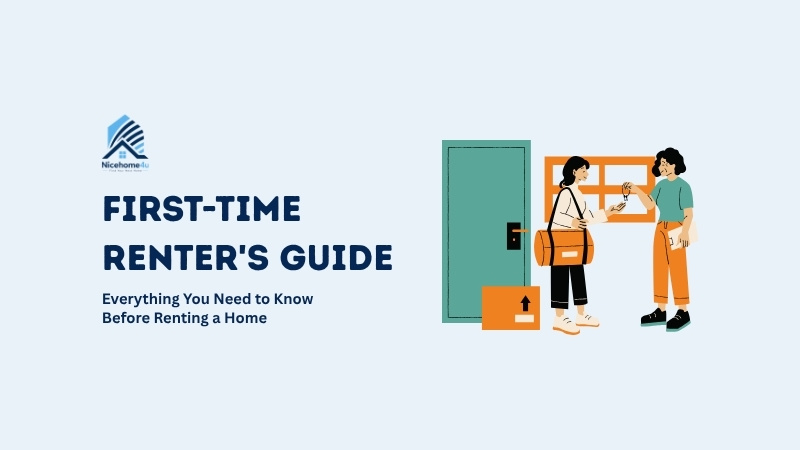
Renting your first home can feel overwhelming, but understanding the process before you sign a lease can help you avoid costly mistakes. As a first-time renter, you should know how much rent you can afford, what documents you’ll need, how security deposits work, what to look for during property tours, how lease agreements function, and what your responsibilities will be after moving in.
The more prepared you are before applying, the easier it becomes to find a rental that fits your budget, lifestyle, and long-term goals.
Whether you’re moving out of your parents’ home, relocating for work, attending college, or simply renting for the first time, this guide walks you through every major step of the renting process.
Why Renting Your First Home Can Feel Complicated
For most people, renting is the first major financial commitment they make independently.
Unlike buying a cup of coffee or signing up for a streaming service, a lease is a legally binding agreement that can affect:
- Your finances
- Your credit
- Your rental history
- Future housing opportunities
Many first-time renters focus only on finding a home they like.
Experienced renters know there’s much more to consider:
- Budget
- Lease terms
- Utilities
- Deposits
- Move-in costs
- Maintenance responsibilities
- Neighborhood quality
- Rental policies
Understanding these factors before you sign can save thousands of dollars and countless headaches later.
Step 1: Determine How Much Rent You Can Actually Afford
One of the biggest mistakes first-time renters make is choosing a home based solely on the monthly rent amount.
Rent is only one piece of your housing expenses.
Many financial experts recommend spending no more than 30% of your gross monthly income on rent.
For example:
| Monthly Income | Suggested Maximum Rent |
| $3,000 | $900 |
| $4,000 | $1,200 |
| $5,000 | $1,500 |
| $6,000 | $1,800 |
However, your actual budget should also include:
Utilities
- Electricity
- Water
- Gas
- Trash service
- Internet
Transportation
- Gas
- Car payments
- Insurance
- Public transportation
Living Expenses
- Groceries
- Healthcare
- Student loans
- Credit card payments
- Entertainment
Emergency Savings
Unexpected expenses happen.
Having savings available can prevent financial stress if you lose income or face unexpected costs.
Step 2: Understand the True Cost of Moving In
Many first-time renters are surprised by how much money they need before receiving their keys.
Move-in costs often include:
Security Deposit
A security deposit is money held by the landlord to cover potential damages beyond normal wear and tear.
First Month’s Rent
Most landlords require the first month’s rent before move-in.
Pet Deposits or Fees
If you have pets, additional fees may apply.
Utility Deposits
Some utility companies require deposits when opening new accounts.
Moving Expenses
Don’t forget:
- Truck rentals
- Movers
- Packing supplies
- Furniture purchases
Example Move-In Budget
For a $1,200 rental:
| Expense | Amount |
| First Month Rent | $1,200 |
| Security Deposit | $1,200 |
| Utility Deposits | $200 |
| Moving Costs | $400 |
| Total | $3,000 |
Many renters underestimate these upfront costs.
Step 3: Gather Documents Before You Start Applying
The best rental homes often receive multiple applications.
Being prepared can give you an advantage.
Most landlords request:
Identification
- Driver’s license
- State ID
- Passport
Proof of Income
- Pay stubs
- Employment verification letter
- Tax returns
- Bank statements
Rental References
If you’ve never rented before, personal references may help.
Credit Information
Many landlords perform credit checks as part of the screening process.
Co-Signer Information
First-time renters with limited credit history may need a co-signer or guarantor.
Step 4: Know What Landlords Look For
Landlords are trying to determine whether an applicant is likely to:
- Pay rent on time
- Follow lease rules
- Maintain the property
- Communicate responsibly
Common screening factors include:
Income
Many landlords prefer income equal to three times the monthly rent.
Credit History
A perfect score isn’t always required, but landlords often review:
- Payment history
- Debt levels
- Collections
- Bankruptcy records
Rental History
If you’ve never rented before, don’t panic.
Many landlords work with first-time renters.
Employment Stability
Consistent employment often strengthens an application.
Step 5: How to Search for the Right Rental Property
Before scheduling showings, create a list of priorities.
Ask yourself:
- How far is the commute?
- Is the neighborhood safe?
- Are schools important?
- Is public transportation nearby?
- Are pets allowed?
- Is parking available?
Separate your list into:
Must-Haves
Examples:
- Two bedrooms
- Washer and dryer
- Parking
Nice-to-Haves
Examples:
- Pool
- Fitness center
- Balcony
- Updated appliances
This helps prevent emotional decisions that exceed your budget.
Step 6: What to Look for During a Property Tour
Never rush through a showing.
Inspect the property carefully.
Check for Maintenance Issues
Look for:
- Water stains
- Mold
- Cracks
- Leaks
- Damaged flooring
Test Major Systems
Check:
- Lights
- Faucets
- Toilets
- Appliances
- Air conditioning
- Heating
Evaluate Security
Look for:
- Working locks
- Exterior lighting
- Smoke detectors
- Carbon monoxide detectors
Pay Attention to the Neighborhood
Visit at different times of day if possible. A quiet afternoon may feel very different at night.
Step 7: Read the Lease Before Signing
This is where many first-time renters make expensive mistakes.
A lease is a legally enforceable contract.
Never sign a lease without reading it fully.
Pay special attention to:
Rent Amount
Verify:
- Monthly rent
- Due date
- Accepted payment methods
Late Fees
Understand:
- Grace periods
- Late fee amounts
- Payment policies
Lease Length
Common lease terms include:
- Month-to-month
- 6-month lease
- 12-month lease
Maintenance Responsibilities
Know who handles:
- Lawn care
- Minor repairs
- Pest control
- HVAC filters
Pet Policies
Review:
- Breed restrictions
- Weight limits
- Pet fees
Move-Out Requirements
Some leases require advance notice before moving out.
Step 8: Understand Your Rights and Responsibilities as a Tenant
Renting isn’t just about paying rent.
Tenants also have responsibilities.
Your Responsibilities
Typically include:
- Paying rent on time
- Following lease terms
- Reporting maintenance issues
- Keeping the property reasonably clean
- Respecting neighbors
Your Rights
Generally include:
- Safe and habitable housing
- Privacy rights
- Proper notice before landlord entry
- Protection from unlawful eviction
Understanding both sides helps prevent disputes.
Step 9: Document Everything Before Moving In
Before unpacking:
Take Photos
Document:
- Walls
- Floors
- Appliances
- Fixtures
- Existing damage
Complete the Move-In Checklist
Many landlords provide one.
Be thorough.
Save All Records
Keep copies of:
- Lease agreement
- Emails
- Text messages
- Payment confirmations
- Inspection reports
Documentation protects both tenants and landlords.
Step 10: Build Good Habits From Day One
Successful renters often follow simple habits.
Pay Rent Early
Avoid last-minute issues.
Communicate Promptly
Report problems before they become major repairs.
Follow Lease Rules
Small violations can create larger issues later.
Keep Records
Organized records can help resolve disputes quickly.
Common First-Time Renter Mistakes to Avoid
Many new renters make the same avoidable mistakes.
Choosing Based Only on Rent Price
Affordable rent doesn’t always mean affordable living.
Skipping the Lease Review
Never assume standard terms.
Ignoring Additional Costs
Utilities, parking, pet fees, and renter’s insurance add up.
Failing to Document Move-In Conditions
Without proof, you may be blamed for pre-existing damage.
Not Asking Questions
If something is unclear, ask before signing.
Questions Every First-Time Renter Should Ask Before Signing
Before committing to any rental property, ask:
- What utilities are included?
- How are maintenance requests handled?
- What happens if rent is paid late?
- Is renter’s insurance required?
- Are there any additional monthly fees?
- What notice is required before moving out?
- Can the lease be terminated early?
- How are security deposits handled?
These questions can reveal important details that aren’t obvious during a tour.
The Bottom Line
Renting your first home is exciting, but it’s also a significant financial and legal commitment. The best way to protect yourself is to understand the entire rental process before signing a lease.
Focus on your budget, research properties carefully, inspect homes thoroughly, read every lease term, and document everything from move-in through move-out.
A little preparation upfront can help you avoid costly mistakes, protect your finances, and make your first renting experience a positive one.