When a maintenance problem comes up in a rental home, the first question is often simple: Does it need attention right now, or can it wait? Understanding the difference between emergency repairs and routine maintenance helps landlords and tenants respond to problems appropriately without delaying an urgent repair or treating a minor issue like an emergency.
Some problems are easy to classify. Others aren’t. A repair that seems minor at first can become urgent when the situation changes, which is why the condition of the problem matters more than the name of the repair.
This guide will help you figure out where that line falls when a problem doesn’t seem clearly urgent or routine. We’ll break down the difference, look at common situations, and show you what to consider before deciding how quickly a repair needs attention.
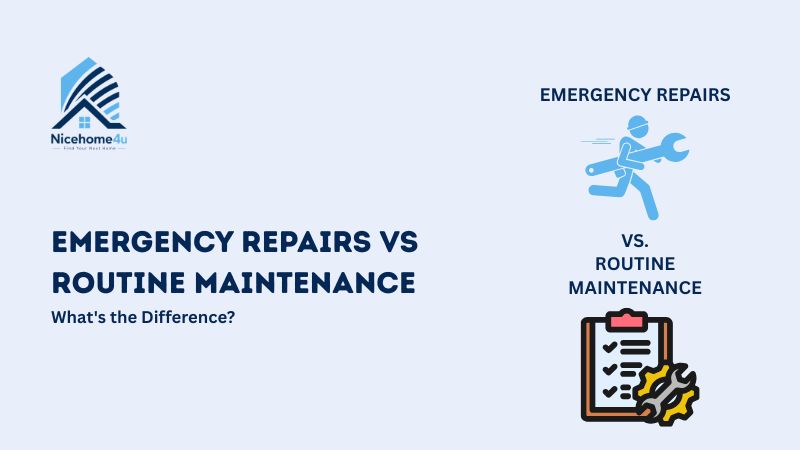
Emergency Repairs vs Routine Maintenance at a Glance
The easiest way to tell them apart is to ask one simple question: Can the problem safely wait?
| Emergency Repairs | Routine Maintenance |
| Require prompt attention | Can usually be scheduled |
| May threaten safety or habitability | Usually involve non-urgent upkeep |
| Can cause serious damage if delayed | Generally pose limited immediate risk |
| Major leaks, gas leaks, dangerous electrical issues | Minor leaks, worn fixtures, cosmetic repairs |
What Is an Emergency Repair?
An emergency repair is a repair that needs immediate attention because waiting could put someone at risk, make a rental home unsafe, or lead to serious property damage. What matters most is what could happen if the problem is left unresolved.
That means a broken item isn’t automatically an emergency. The condition of the problem, the level of risk, and how quickly the situation could worsen all matter.
Common Examples of Emergency Repairs
Not every maintenance problem needs an immediate response, but some situations should not wait for a routine appointment. What matters here is whether the problem creates an immediate risk to safety, security, habitability, or the property itself.
- Major water leaks or burst pipes: Uncontrolled water can quickly damage walls, ceilings, flooring, and personal belongings.
- Gas leaks: A suspected gas leak is a serious safety hazard and should be treated as an emergency rather than a routine maintenance request.
- Dangerous electrical problems: Exposed wiring, sparks, burning smells, or other signs of an electrical hazard should not be left for routine maintenance.
- Sewage backups: A sewage backup can create health and sanitation concerns and may require urgent action.
- Loss of essential heating or cooling: A failed HVAC system may become urgent when weather conditions create a serious risk to occupants. In Oklahoma City, extreme summer heat can make a loss of cooling more concerning, especially when indoor temperatures become unsafe.
- Serious security problems: A broken exterior door or other issue that leaves the rental home unsecured may require prompt repair.
These examples aren’t automatic classifications. The urgency still depends on the condition and circumstances at the property.
What Is Routine Maintenance?
Routine maintenance is the regular upkeep and repair work a rental home needs when the problem does not require immediate attention. These issues can usually wait for a scheduled visit without creating a serious risk to the occupants or property.
That doesn’t make them unimportant. Routine upkeep keeps the property in working condition and gives landlords a chance to address ordinary maintenance requests before they pile up.
Common Routine Maintenance Examples
Some maintenance requests are straightforward to schedule because they don’t need an immediate response. Common examples include:
- Slow or partially clogged drains: These can usually wait for a scheduled repair when water is still draining, and there is no sign of flooding.
- A running toilet: If the toilet remains usable, the issue can generally be handled during routine maintenance.
- Loose handles and fixtures: Cabinet handles, door hardware, and similar items can usually be repaired during a scheduled visit.
- Minor appliance problems: An appliance issue that does not create a safety concern can generally be scheduled for repair.
- Cosmetic repairs: Small paint touch-ups, wall marks, and similar appearance-related issues typically do not need immediate attention.
- Planned HVAC servicing: Filter changes, inspections, and other scheduled HVAC work are part of regular upkeep.
When Does a Maintenance Issue Become an Emergency?
A maintenance issue becomes an emergency when leaving it unresolved could create a serious problem that cannot safely wait for a routine repair. If you’re unsure how to classify a request, think about what could happen before the problem can reasonably be addressed.
- Someone could get hurt because of the condition.
- The problem could cause significant damage to the rental home if it continues.
- The home could lose an essential function needed for safe living.
- A broken door, lock, or other security feature could leave the property or occupants vulnerable.
When in doubt, focus on the potential consequence rather than the type of repair.
How Should Landlords and Tenants Handle Maintenance Requests?
Once you’ve figured out what kind of problem you’re dealing with, the next step is to report it clearly and make sure it gets the right level of attention. Emergency problems should be reported promptly through the appropriate emergency contact, while routine requests can usually go through the property’s normal maintenance process— and that classification also affects how much notice your landlord owes you before coming in to handle it.
For Oklahoma rental properties, landlords also have a legal duty to make necessary repairs to keep a dwelling unit and premises in a fit and habitable condition under the Oklahoma Residential Landlord and Tenant Act. Oklahoma law also addresses the maintenance of supplied electrical, plumbing, sanitary, heating, ventilating, and air-conditioning systems and appliances. You can also review tenants’ rights and responsibilities in Oklahoma to better understand what landlords and tenants are expected to handle.
When reporting a problem, tenants should explain what happened, where it is happening, how serious it appears, and whether the condition is getting worse. Photos or videos can help explain the problem when it’s safe to take them. If there is an immediate danger, focus on getting people to safety rather than documenting the issue.
Landlords and property managers can then use the information to determine how quickly the request needs attention. Keeping clear maintenance records also makes it easier to track recurring problems and distinguish routine upkeep from issues that require a faster response.
Conclusion
The difference between an emergency repair and routine maintenance comes down to how much risk there is in waiting. When a problem threatens safety, security, habitability, or the property, it needs more urgent attention. Problems that can safely wait can usually follow the normal maintenance process.
For landlords and tenants, recognizing that difference makes it easier to report problems clearly and prioritize the right response. It also helps both sides avoid unnecessary confusion when deciding how a maintenance request should be handled.
Need help keeping up with rental property maintenance and responding to repair requests? Nicehome4u can help manage routine upkeep, coordinate repairs, and keep small problems from becoming bigger headaches. Contact us to learn more about our property management services.