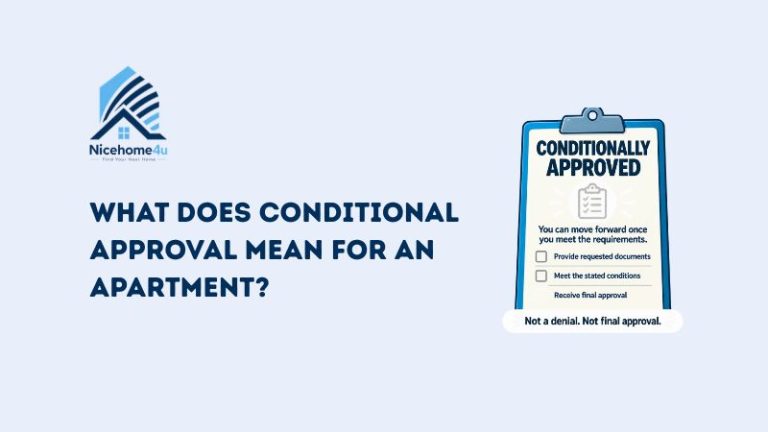

Moving into a rental can get hectic fast. Between getting the keys, setting up utilities, and unpacking boxes, it’s easy to overlook something important. A rental move-in checklist gives you a simple way to work through the move, from getting the rental ready to checking its condition before you settle in.
The first day is also the best time to create a clear record of the home’s condition. In Oklahoma, security deposits can be used for legally allowable damages, so documenting existing problems gives you a useful record of what was already there when your tenancy began. Oklahoma law also outlines how security deposits may be applied to certain damages.
So, what should you take care of before you start carrying boxes inside? A few simple steps can make the rest of your move much easier, and it starts with getting the rental ready before you move in.
Key Takeaways
- Start your move by confirming your lease details, utilities, insurance, and key or access arrangements.
- Walk through the rental before unpacking and check its condition, appliances, fixtures, locks, and safety features.
- Document the property’s condition with photos, videos, meter readings, and a completed condition report.
- Save maintenance and emergency contacts, and make sure you understand the property’s everyday rules and procedures.
- Keep all move-in records organized, so you have a clear reference to the home’s condition when your tenancy began.
What to Do Before Moving Into Your Rental
A few details are worth handling before moving day so you can start your tenancy without unnecessary surprises. Confirm your move-in arrangements, prepare any required services, and keep the important information from your lease within easy reach.
Review Your Lease and Move-In Details
Check your lease agreement for the lease start date, security deposit requirements, key or access arrangements, and any instructions from your landlord or property manager.
Your rental may also have specific move-in procedures, such as scheduling a move-in time, reserving an elevator, providing proof of renters insurance, or completing a condition form. Keep these details accessible so you’re ready when you receive the keys.
Set Up Utilities and Essential Services
Find out which utilities you need to arrange and which utilities are included in rent before your tenancy begins. Depending on the rental, you may need to set up electricity, water, gas, internet, or other services.
For an Oklahoma City rental, having electricity and heating or cooling ready can be especially important during periods of extreme heat or cold. If your lease requires renters insurance, arrange it before the tenancy begins and keep the policy information with your move-in documents.
Once these basics are handled, you’re ready for the most important hands-on step: checking the rental itself before you start unpacking.
Complete a Rental Inspection Checklist When You Get the Keys
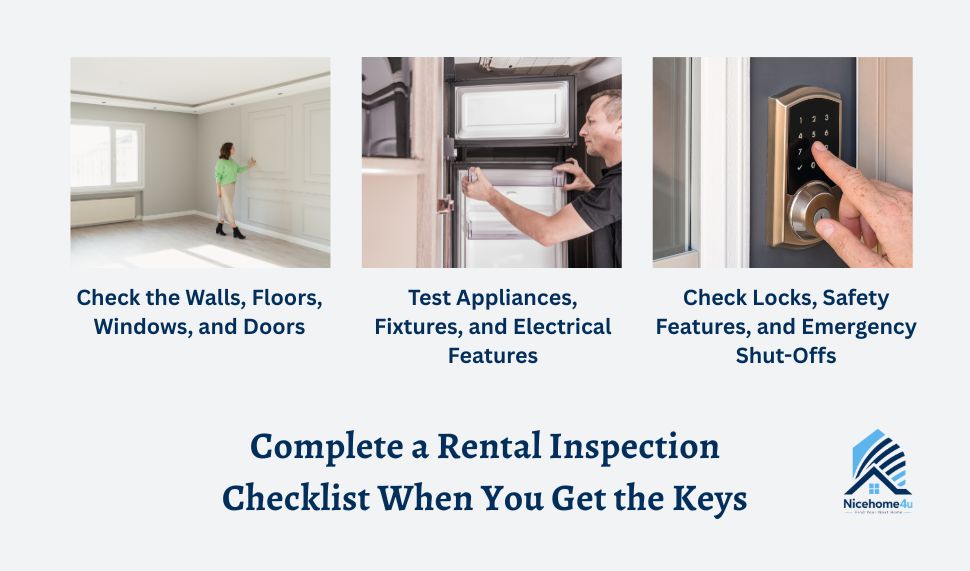
Before you start unpacking, walk through the rental and check each room while the property is still mostly empty. A rental inspection checklist helps you spot existing problems, test important features, and understand the difference between normal wear and tear and issues that may need attention.
1. Check the Walls, Floors, Windows, and Doors
Start with the parts of the rental that are easiest to overlook once furniture and boxes are in place. Look for stains, holes, cracks, scratches, damaged flooring, broken blinds, window problems, or doors that don’t close or lock properly.
Check closets, cabinets, drawers, and other built-in areas too. If you find an issue, note exactly where it is so you can document it in the next step.
2. Test Appliances, Fixtures, and Electrical Features
Test the appliances and fixtures that came with the rental instead of assuming they work. Turn on the stove and oven, check the refrigerator, run the dishwasher if provided, test faucets and toilets, and make sure the HVAC system responds when you adjust the controls.
Check light switches and electrical outlets as well. If something doesn’t work as expected, record the problem and report it through the appropriate maintenance process rather than trying to repair it yourself. Understanding your tenant repair responsibilities can also help you know what to handle and what to report.
3. Check Locks, Safety Features, and Emergency Shut-Offs
Try each exterior door and window to make sure the locks work properly. Confirm that you have the keys, remotes, or access devices you were supposed to receive.
Look for smoke and carbon monoxide detectors and identify the locations of the water, electrical, and gas shut-offs where applicable. Knowing where these controls are before an emergency happens can save valuable time.
Take your time during this walkthrough. Once you start moving furniture and boxes inside, some areas will become much harder to inspect properly.
Document the Rental’s Condition Before You Unpack
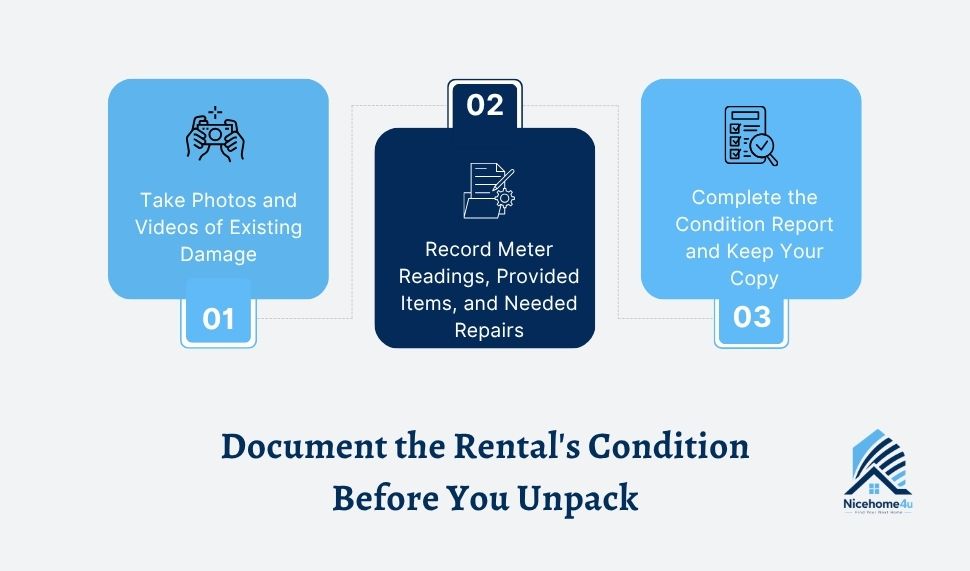
After completing the inspection, turn what you found into a clear record. This is an important part of a rental move-in checklist because your photos, notes, and condition report can show what the property looked like when your tenancy began.
1. Take Photos and Videos of Existing Damage
Photograph each issue you identified during the walkthrough, including stains, holes, cracks, scratches, or damaged flooring. Take a close-up to show the issue and a wider photo to show where it is located.
A short video walkthrough can also capture the overall condition of each room. Keep the original files and organize them by room or date so you can find a specific record later.
2. Record Meter Readings, Provided Items, and Needed Repairs
If your rental requires move-in meter readings, record the electricity, gas, or water readings and keep them with your other move-in records. Make a separate inventory of items supplied with the rental, such as appliances, keys, remotes, or other access devices.
For repairs, describe what needs attention and where you found it rather than simply writing “damaged.” That gives the landlord or property manager clearer information when reviewing a maintenance request or work order.
3. Complete the Condition Report and Keep Your Copy
Compare your records with the landlord or property manager’s condition report before signing or acknowledging it. If something you recorded doesn’t appear on the form, ask how to add it before you submit the report.
Keep the completed report with your photos, videos, meter readings, and other move-in documents. A complete record is much more useful than scattered photos on your phone when you need to look back at the property’s original condition.
Confirm What You Need to Know Before Settling In
Before you finish your move, make sure you understand the everyday details that affect your routine. Knowing the property’s rules, access procedures, and emergency information can save you confusion later.
Know How to Request Maintenance and Get Emergency Help
Before you settle in, make sure you know how to contact your landlord or property manager and how to submit a maintenance request. Some rentals use an online portal, while others ask tenants to call, email, or submit a work order.
Also find out what to do when a problem needs immediate attention. Know who to contact for an emergency and where you can find essential shut-offs, such as the main water valve or electrical panel, if you need to act quickly.
Confirm Parking, Trash, Laundry, and House Rules
Before you settle into your new home, confirm the practical rules that affect your daily routine. Check where you can park, how trash and recycling work, where laundry facilities are located, and whether the property has specific access or quiet-hour rules.
If the rental provides shared spaces or building amenities, find out how you access and use them. Keep these instructions with your lease and other move-in information so you can refer to them when needed.
Your Rental Move-In Checklist at a Glance
Use this rental house move-in checklist on moving day. Check each item as you complete it, and keep your records together afterward.
☐ Lease and move-in arrangements confirmed
☐ Required utilities and insurance arranged
☐ Every room checked before unpacking
☐ Appliances, HVAC, fixtures, and outlets tested
☐ Locks and safety devices checked
☐ Existing condition photographed
☐ Meter readings recorded, where applicable
☐ Provided items and access devices accounted for
☐ Repairs or maintenance issues reported
☐ Condition report completed and submitted, if required
☐ Parking, trash, laundry, and property rules confirmed
☐ Maintenance and emergency contacts saved
☐ Photos, videos, reports, and other records stored safely
Conclusion
Moving into a rental home becomes much easier when you know what to handle before you settle in. Check the property carefully, keep a record of its condition, and make sure you know how to handle maintenance or other rental issues from the start.
For renters in Oklahoma City, a few extra checks can be worthwhile when extreme heat or cold makes working utilities and HVAC especially important. Keeping your move-in records organized also gives you a clear reference for the condition of the home when your tenancy began.
With more than 15 years serving the Oklahoma City rental market, Nicehome4u understands the practical details that can make moving into a rental easier. If you’re looking for your next rental, contact us about available rental homes to explore your options.